
True Cuts Start With True Geometry
If your cuts drift or skew, the machine is out of square. How to calibrate your laser cutter for straight cuts is mostly mechanical: belts, mirrors, and a simple test, not software tricks.
A calibrated machine cuts what the file shows, job after job, which is the foundation of quality.
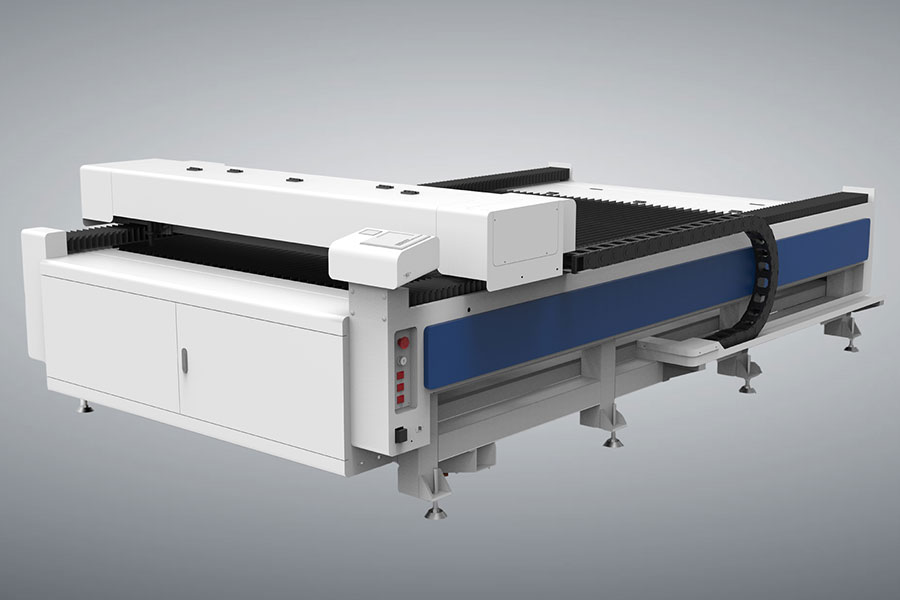
Belt Tension
Loose belts slip under load and cuts wander. Tighten both axes so they ring with a light tap but are not over-stressed. Equal tension on X and Y keeps motion even.
If one axis lags, cuts skew diagonally; that is the classic belt symptom.
Mirror Alignment
Misaligned mirrors send the beam off-axis, so cuts drift across the bed. Align mirrors so the beam hits the center of each and the head, using the tape-and-pulse method at low power.
Re-check after moving the machine or after a bump; alignment drifts with handling.
The Square Test
Cut a square or a long diagonal and measure. If the diagonal is not true, the frame or belts are off. Adjust until a cut square measures square corner to corner.
Run this test monthly; small drift becomes big error on large sheets.
FAQ
Why do long cuts bow? Belt slip or a loose roller; check tension.
How often align mirrors? After moves, and quarterly as routine.
Cut True Every Time
Straight cuts come from a square machine: tension the belts, align the mirrors, and prove it with a square test. Our Laser Cutter range is built for tight tolerances; for large-format work see HF Laser.

- National hotline: +86-531-86516855/56/57
- Enterprise mailbox:sales@redsaillaser.com
- Address: Room 402E, Tower D, Yinhe Building, 2008 Xinluo Avenue, Shunhua Road Subdistrict, Jinan Area, China (Shandong) Pilot Free Trade Zone


Redsail Tech Co. © 2002-2026. All Rights Reserved.