
The Appeal of Laser-Cut Wood Toys
Wooden puzzles and simple toys are a timeless seller — they photograph well, feel premium, and grandparents actually buy them. A CO2 laser turns a sheet of birch into a stack of alphabet tiles or a layered animal puzzle in one job. The caveat is safety: anything a child puts in their mouth must be finished and built to a standard. This guide covers design, cutting, and the finishing steps that make the difference between a craft fair hit and a returned item.
Choosing the Wood
Baltic birch plywood (BBB grade) is the default: void-free, stable, and laser-clean. Use 3–4 mm for puzzle bases, 1.5–3 mm for interlocking pieces. Avoid MDF for toys — it contains glues and dust you do not want near kids, and it smells under the beam. Solid woods like maple or poplar cut cleanly but move with humidity, so plywood is safer for flat puzzles. Always buy from a supplier that states the grade so you know what is in the sheet.
Cutting for Clean Interlocks
On 3 mm birch with a 60–80W laser, 45–60% power at 12–18 mm/s gives a clean kerf. The real skill is the file: design puzzle tabs and blanks with a 0.05–0.1 mm interference fit so pieces hold but a toddler can still pull them. Cut the outline slightly undersized and test-fit one piece; wood varies batch to batch. Use vector passes only — no raster on the edges — and keep the bed flat so pieces are uniform.
Engraving the Art
Engrave the top face at 20–30% power, 250–350 mm/s, 200–300 DPI. For alphabet tiles, raster a letter and a small icon; for animal puzzles, raster a soft shading so the shape reads. Keep engraving shallow so the surface stays smooth to small hands. Mask with paper tape to stop flashback brown marks, then peel after cutting.
Sanding and Finishing for Mouth Safety
- Lightly sand edges with 320 grit to remove whiskers (the tiny fuzz a laser leaves).
- Seal with a child-safe finish: food-grade mineral oil, beeswax, or a toy-safe hardwax oil. Avoid raw linseed oil (slow to cure, mild toxicity) and any solvent lacquer.
- Apply two thin coats, wipe excess, cure 24 hours between coats.
- Do not use small detachable parts for under-3s — choke hazard law, not preference.
Design Ideas That Sell
Layer-cut name puzzles where letters stand proud of a base board, county-map shapes, solar-system stacks, and "quiet" fidget tiles all do well at markets. Keep shapes chunky. A 40 mm letter is safe for a 3-year-old; a 15 mm one is not. Bundle a puzzle with a cotton bag and a card explaining the wood — buyers pay for the story.
Frequently Asked Questions
Is laser-cut wood safe for babies? Only after a toy-safe sealant and with no small parts; raw cut edges are not finished.
Why are my pieces loose? Kerf too wide or file fit too loose; drop power or tighten the interference by 0.05 mm.
MDF or plywood? Plywood for toys; skip MDF near children due to glues and dust.
Build a Market-Ready Range
Cut a small batch this weekend — name puzzles and animal pairs — finish them properly, and you have a product line that out-earns plain signs per square inch of wood.
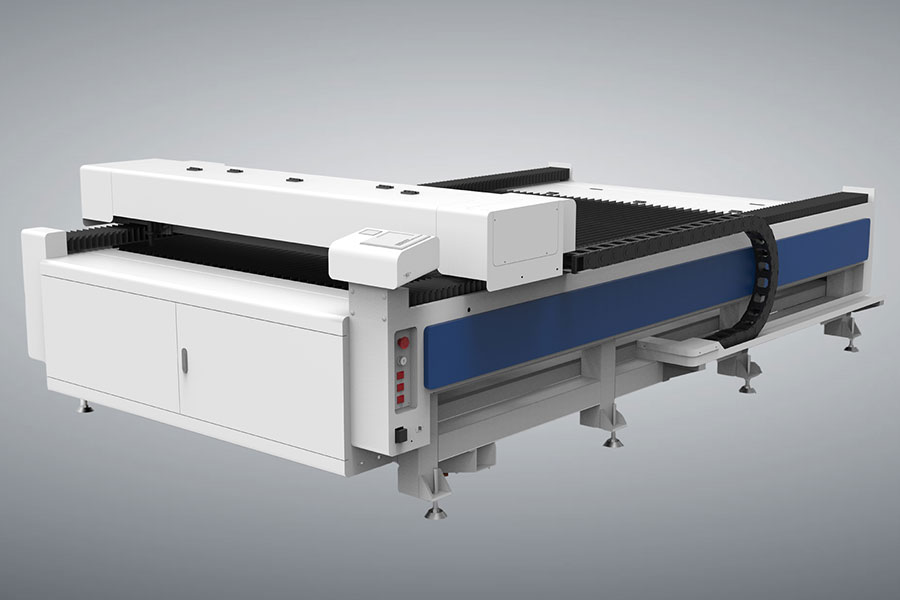
If you also evaluate higher-power flatbed cutters for production, compare the HF Laser CO2 cutter range before you decide.

- National hotline: +86-531-86516855/56/57
- Enterprise mailbox:sales@redsaillaser.com
- Address: Room 402E, Tower D, Yinhe Building, 2008 Xinluo Avenue, Shunhua Road Subdistrict, Jinan Area, China (Shandong) Pilot Free Trade Zone


Redsail Tech Co. © 2002-2026. All Rights Reserved.