
A CO2 laser engraver sitting on a workbench is more than a fun weekend toy — it is one of the most approachable ways to turn a creative hobby into steady income from home. In this guide you will learn how to pick products that actually sell, set prices that cover your time and materials, and build a workspace that keeps growing as orders come in.
The beauty of a laser side hustle is the low barrier to entry: you do not need a storefront, employees, or a huge upfront spend to start taking paid jobs. Whether you are a woodworker, a crafter, or just someone who enjoys making personalized gifts, a desktop machine can pay for itself faster than most people expect.
Choose Products People Actually Buy
Before you spend a dollar on blanks, spend an hour thinking about who you are selling to. The most reliable sellers in a laser engraving business are personalized items tied to a moment: weddings, new babies, anniversaries, retirements, and housewarmings. Engraved cutting boards, name plaques, pet tags, keychains, and tumblers are repeat favorites because they feel custom without requiring complex design skills.
A smart move is to pick a small "starter menu" of three to five products and get really good at them. Buyers trust a maker who clearly specializes over one who offers everything. For example, you might focus on wedding party gifts — engraved wooden song plaques, acrylic table numbers, and personalized wine glasses. That focus also makes your marketing easier because you know exactly which hashtags, groups, and local venues to target.
Test your ideas with cheap materials first. Cut and engrave prototypes from scrap wood or off-brand acrylic before ordering premium blanks in bulk. Keep a small photo studio setup — a window, a white board, and a phone tripod — so every finished piece looks professional in listings. Strong photos do more for your maker income than almost any other single habit, because most of your first customers will find you through images.
Price Your Work Without Underselling
Pricing is where most new makers leave money on the table. A simple and fair formula is: material cost + machine time + your hourly labor + a margin for overhead. Start by tracking how long a typical job takes end to end, including design, setup, weeding, and packaging, not just the time the beam is firing. Many makers are shocked to find that prep and finishing eat more minutes than the actual engrave.
For machine time, assign a cost per minute based on what your laser cost divided across its expected lifespan and your electricity plus maintenance. A practical rule of thumb is to charge at least two to three times your raw material cost on small gifts, and to add a setup fee for one-off custom designs so a single personalized keychain is still worth your time. Bulk orders deserve a discount, but never let the per-unit price drop below your true cost.
Do not race to the bottom by competing with mass-produced items on price alone. Instead, sell the story: a hand-finished, locally made, truly custom piece justifies a premium. Mention the wood species, the finish, or the occasion in your listing so the buyer understands why your sell laser gifts option is worth more than a factory pendant. As your reviews grow, you can raise prices confidently.
Set Up a Safe, Efficient Home Workspace
A home business still needs to respect the basics of laser safety, and a clean setup also makes you faster. Ventilate first: route the exhaust outdoors through a proper inline fan and ducting so fumes never recirculate into your living space. Keep a fire extinguisher rated for electrical and small fires within arm's reach, and never run the machine unattended, especially when cutting acrylic or plywood that can flare.
Organize your blanks by size and material in clear bins so you are not hunting for stock mid-order. Label a shelf for finished goods and another for items waiting on finish or packaging. A simple order tracker — even a spreadsheet with customer, product, date, and status columns — prevents the chaos of mixing up personalization details across a dozen jobs.
Consider your neighbors and household. Lasers make noise and smell, so a garage or spare room with a door is ideal, and running jobs during daytime hours keeps complaints away. If you share the space, add a sign-in sheet for who last cleaned the lens and emptied the water chiller so maintenance does not slip. A well-run home business feels calm, and calm shops produce consistent work.
Find Your First Customers
You do not need a fancy website to land early orders. Start where your buyers already gather: local craft fairs, Facebook maker groups, Etsy, and Instagram. Post a "making of" video of the laser etching a name into wood — those clips perform surprisingly well because people love watching the process. Offer a launch discount to friends and family in exchange for honest photos and reviews; social proof is gold for a new shop.
Local businesses are an underused channel for a laser side hustle. Gift shops, wedding planners, and realtors often need branded or personalized items and would rather buy from a nearby maker than a distant supplier. Walk in with three sample pieces and a business card, and ask if they would like to stock or co-brand a small line. Many makers land their first recurring B2B order this way.
Craft markets and markets-by-the-sea style events let you test price points face to face. Bring a "personalize it now" option where shoppers watch you engrave a name on the spot; the crowd it draws pays for the table fee many times over. Collect emails at your booth for a simple newsletter announcing seasonal items, because holiday demand is where a home laser really shines.
Scale Slowly and Reinvest
Resist the urge to buy every jig and upgrade the moment money comes in. The healthiest laser engraving business grows in steps: first prove demand, then reinvest profits into better blanks, a second rotary attachment, or a small inventory of bestsellers. Each reinvestment should be tied to a clear need you already have, not a gadget you merely want.
When orders outgrow your evenings, decide whether to raise prices, narrow your catalog, or add help. Raising prices is often the kindest lever — it filters to serious buyers and protects your sanity. If you do hire, start with a teen or neighbor for sanding, packaging, and shipping while you keep design and machine time in your own hands. That protects both quality and your margins.
Finally, watch your numbers monthly. Track revenue, material spend, and hours so you know your true effective wage. If a product line pays less than minimum effort deserves, retire it gracefully and push the winners. A side hustle that you understand on paper is one you can keep enjoying for years instead of burning out in one busy December.
Frequently Asked Questions
Q: How much money do I need to start a laser engraving side hustle at home?
A: A capable desktop CO2 laser and basic safety gear can be set up for a few hundred to around a thousand dollars depending on bed size and power. Beyond the machine, budget another modest amount for blanks, a good exhaust fan, and packaging. Many makers recover that investment within a few months by selling personalized gifts at local events and online, especially if they already own a computer and basic design software.
Q: Do I need a business license to sell laser-engraved items from home?
A: Requirements vary by city and country, so check your local rules on home-based business permits, sales tax registration, and any zoning limits. In many areas a small hobby-turned-side-business can operate under simplified rules, but selling across state or national borders can add tax obligations. It is worth a short call to your local small business office so you start clean and avoid surprises as your maker income grows.
Q: What sells best for a beginner laser engraver?
A: Personalized everyday items with a clear gifting occasion tend to sell best: engraved cutting boards, pet tags, keychains, tumblers, and name signs. They are simple to design, quick to produce, and easy to ship. Choose one or two niches, perfect them, and let reviews build before expanding your catalog.
A home laser can become a genuinely satisfying source of extra income, and the skills you build designing and finishing pieces will serve you long after the first sale. Explore the range of machines at Red Sail Laser and picture the first project you would be proud to ship.
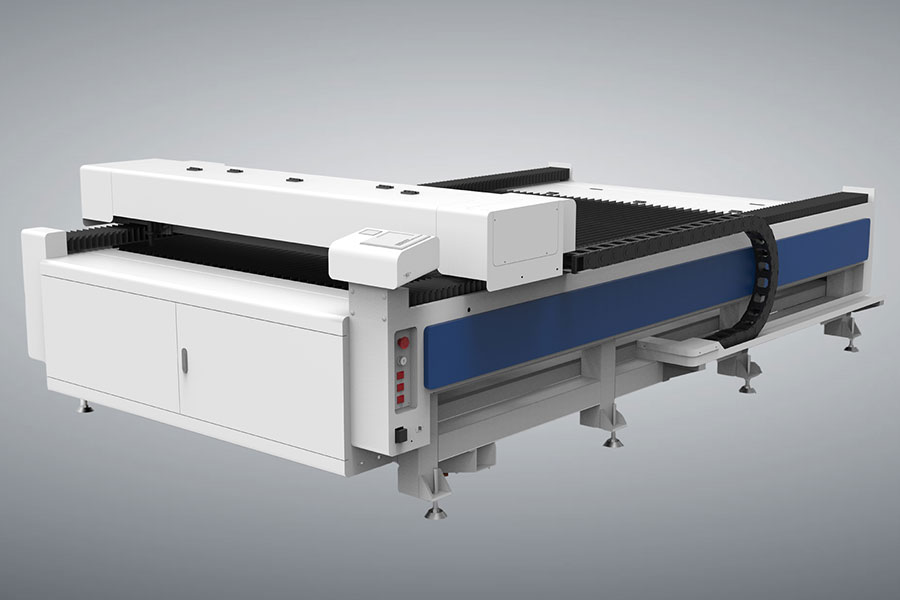
For production-scale cutting and signage, also see our industrial CO2 laser cutters.

- National hotline: +86-531-86516855/56/57
- Enterprise mailbox:sales@redsaillaser.com
- Address: Room 402E, Tower D, Yinhe Building, 2008 Xinluo Avenue, Shunhua Road Subdistrict, Jinan Area, China (Shandong) Pilot Free Trade Zone


Redsail Tech Co. © 2002-2026. All Rights Reserved.