
Wooden Puzzles And Toys Are Where A Laser Earns Its Keep
Few projects show off what a CO2 laser can do better than a wooden jigsaw puzzle. Interlocking pieces with tight tolerances, custom silhouettes, a name cut through the centre — none of it is achievable by hand at any reasonable speed, yet the whole thing can be produced on a kitchen-table machine from a single sheet of plywood. The same workflow produces stackable animals, building blocks, marble-run parts, spinning tops and name-train letters.
What separates a professional-looking puzzle from a frustrating one is not the artwork; it is tolerances, material choice and finishing. Get those three right and you can sell wooden toys at prices that reflect genuine craftsmanship rather than craft-fair novelty.
Pick Plywood That Cuts Clean And Is Safe For Kids
Sheet choice drives everything downstream. Laser-grade birch plywood with a void-free core is the standard for a reason: internal gaps cause the beam to punch through unpredictably and leave ragged, charred edges that no amount of sanding fully removes.
Recommended material shortlist for home toy production:
- 3 mm laser-grade birch plywood: jigsaw puzzles, flat characters, ornaments
- 6 mm birch plywood: building blocks, stackers, sturdy vehicle bodies
- Solid hardwood (maple, cherry, walnut) 3–6 mm: premium keepsake puzzles and heirloom pieces
- MDF: prototyping and jigs only; it engraves beautifully but produces heavy edge char and its dust is unpleasant
- Paper-faced or laminated plywood: avoid unless you have tested it, since glues and films can discolour or release fumes
For anything a child will mouth, source formaldehyde-free plywood and finishes labelled toy-safe or food-safe once cured. Ask suppliers for the material declaration rather than assuming, and keep that documentation if you sell to the public. Avoid unknown treated, painted or reclaimed sheet entirely — you cannot know what is in the glue lines or the finish.
Thickness consistency matters more than most beginners expect. Measure several points across a sheet with calipers; a sheet that varies by more than about 0.3 mm will produce pieces that fit loosely in some areas and jam in others.
Kerf: The Hidden Dimension In Every Puzzle
The laser removes material as it cuts, so every slot ends up wider than the line you drew. Ignore that and your puzzle pieces will rattle loosely in the frame. Account for it and they will snap together with a satisfying click.
- Kerf on 3 mm birch is typically around 0.1–0.2 mm, but measure it for your machine, lens and material
- To measure: cut a 20 mm square and a 20 mm square hole in scrap, then measure the gap with feeler gauges or calipers
- Apply kerf offset in your software so the beam cuts just outside the intended line
- Test-fit pieces immediately; a snug-but-sliding fit is the target, not a press fit
A practical trick is to cut a test puzzle of four pieces before committing to a full sheet. Spend ten minutes on that and you will save a sheet of good plywood. Keep the winning kerf value written on a card taped near the machine, along with the material thickness it applies to.
Design tolerances for kids' toys should be a little looser than for adult puzzles. Young hands lack fine motor control, so pieces that assemble easily matter more than pieces that fit with precision. Aim for a fit that holds together when the puzzle is lifted but comes apart without force.
Cutting Settings, Air Assist And Grain Direction
Wood cuts by vapourising along the kerf, and heat is your enemy. Excessive heat produces the dark brown edge char that reads as homemade; controlled heat produces pale tan edges that look like quality work.
- Start with a single pass at moderate speed and raise power until pieces release with a light nudge
- Prefer two faster passes over one slow pass on 6 mm stock — less heat soak, far less char
- Keep air assist on full and the nozzle close to the surface; the air jet is what keeps the kerf cool and clear
- Vacuum or brush the bed between sheets; debris under the sheet changes the focus height across the panel
- Watch for uncut spots at glue lines in plywood and add a small power margin rather than slowing the whole job
Grain direction influences how pieces release and how much they flex. Long, thin puzzle tabs are vulnerable if they run with the grain, so orient fragile features across it where the design allows. For stackers and blocks, cut identical parts in the same sheet region so any thickness variation affects the set consistently.
Finishing, Sealing And Toy Safety Checks
Out of the machine, pieces carry smoke residue and fine dust. Clean thoroughly before any finish goes on, because sealing in soot locks in a grey haze permanently.
- Blow off dust, then wipe each piece with a barely damp microfiber cloth; let it dry fully before sanding
- Lightly sand faces and edges with 220–320 grit to remove residue without rounding crisp detail
- For edges, fold a piece of sandpaper into a pad and stroke in one direction only, so you do not round the corners
- Apply a toy-safe water-based sealer, hardwax oil or food-grade mineral oil; avoid solvent-heavy finishes for children's items
- Let finishes cure fully according to the label before packing; sealing early traps odour in the packaging
Safety checks are part of the craft. Run a fingernail over every edge and round anything sharp, confirm small parts are appropriate for the stated age range, and do a pull test on any glued or inserted element. Toy safety standards vary by market, so if you sell commercially, research the applicable regulations for your country and keep records of materials and finishes used.
Selling Puzzles And Toys Without Undervaluing Your Work
Personalised puzzles sell well because they are gifts, and gift buyers compare emotionally rather than on price. A name puzzle with a child's favourite animals is not competing with a mass-produced boxed puzzle; it is competing with other personalised keepsakes.
- Price by time plus materials plus a margin for custom file setup, which is the hidden cost of one-off work
- Offer tiers: a flat name puzzle, a shaped silhouette puzzle, and a premium hardwood version with a storage box
- Photograph the puzzle both assembled and exploded, since buyers want to see piece count and quality
- State piece count, dimensions, material and age suitability clearly in every listing
- Sell sets: puzzle plus matching name block or ornament increases order value with almost no extra design time
Packaging is cheap insurance. A simple kraft box or cotton drawstring bag protects edges in transit, prevents that smoky-wood smell from transferring, and makes the item feel gift-ready on arrival — which is what drives five-star reviews and repeat holiday orders.
FAQ
Q: Why do my puzzle pieces fit perfectly in one area and loosely in another?
That is almost always sheet thickness variation rather than a software problem. Measure the sheet at several points with calipers, and if it varies significantly, either buy laser-grade plywood or cut each puzzle from a single, consistent region of the sheet. Focus drift across a warped sheet produces the same symptom, so confirm the panel lies flat before cutting.
Q: How do I get lighter edges with less char?
Increase speed and take more passes rather than slowing down and cooking one pass. Confirm air assist is strong and aimed at the cut line, check the lens and mirrors are clean, and make sure the bed is clear of debris so the sheet sits at the correct focus height. Fresh masking tape on the surface also pulls a surprising amount of residue away with it.
Q: Can I cut puzzle pieces from solid hardwood instead of plywood?
Yes, and premium hardwood puzzles are genuinely beautiful, but solid wood is more prone to internal stress and warping after cutting, and thin tabs break more easily across the grain. Use quartersawn or stable species, keep tabs slightly wider than you would on plywood, and test a small batch before committing to expensive stock.
Cut One Puzzle This Week
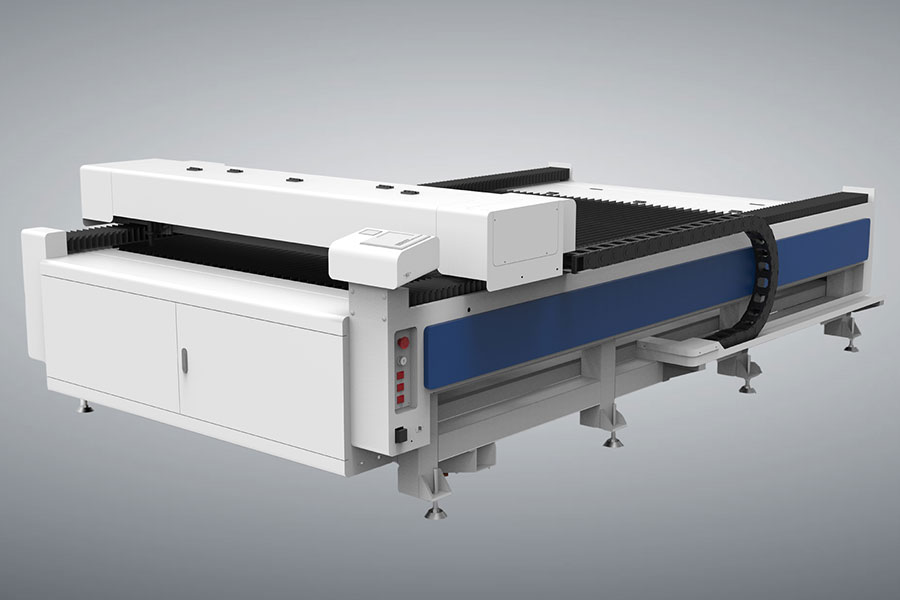
Start with a simple nine-piece name puzzle in 3 mm birch: run a kerf test, cut it, sand the edges, oil it and photograph it. That single project teaches tolerances, cleanup and finishing better than any amount of reading. If you are sizing a machine for regular toy and puzzle production, look at bed formats and power classes in the Redsail Laser cutter range.
For larger-format production work, see the HF Laser cutter range.

- National hotline: +86-531-86516855/56/57
- Enterprise mailbox:sales@redsaillaser.com
- Address: Room 402E, Tower D, Yinhe Building, 2008 Xinluo Avenue, Shunhua Road Subdistrict, Jinan Area, China (Shandong) Pilot Free Trade Zone


Redsail Tech Co. © 2002-2026. All Rights Reserved.