
Why a laser is a realistic side hustle
A desktop CO2 laser is unusual among maker tools because it sits right at the intersection of low startup cost, high perceived value, and repeatable output. You are not selling the machine's time; you are selling personalized objects people genuinely want to give as gifts. That is why a laser engraving side hustle can move from hobby to income faster than most craft businesses, provided you treat it like a small business from week one.
The trap is trying to make everything for everyone. A maker who lists tumblers, signs, pet tags, and furniture on day one spreads thin and burns out. The makers who actually earn treat the laser like a production tool with a narrow catalog, a clear customer, and a pricing formula they trust. This guide lays out that path so your evenings stay profitable instead of chaotic.
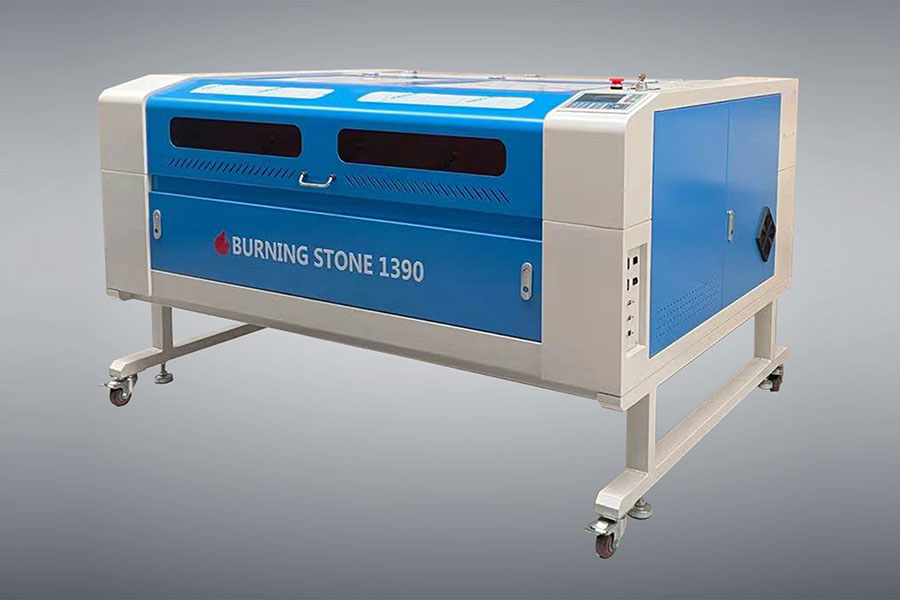
Pick one niche to start
Choosing a niche is not limiting yourself, it is giving customers a reason to pick you over a generalist. A shop called something like "Personalized Pet Tags" reads as expert, while a shop with fifty unrelated items reads as a hobby. Start with one of these proven lanes and expand only after it pays for itself.
- Drinkware: tumblers, bottles, and mugs with names, monograms, or small art.
- Home signs: family name plaques, wedding signs, and nursery decor.
- Gifts: keychains, coasters, and keepsake boxes for holidays and occasions.
- Pet and ID tags: durable anodized tags with contact details and microchip numbers.
Pick the niche whose blanks you can store easily and whose demand is steady rather than seasonal. Drinkware and pet tags sell all year; heavy holiday decor spikes and then vanishes. A year-round niche funds the machine while the seasonal stuff becomes a bonus rush you can opt into.
Product ideas that actually sell
Within your niche, lead with a hero product and a few variations. For drinkware, a 20oz tumbler with a single name and a small icon is the workhorse; offer a matching set as an upsell. For signs, a 12x6 inch pine family name plaque with a established date covers weddings and housewarmings. For sell laser engraved products as gifts, a set of four engraved coasters in a box is an easy $30-40 order.
Keep your catalog small on purpose. Five strong listings beat fifty weak ones because reviews concentrate, SEO builds, and you master the settings for each. Every new product is a new setting to learn and a new blank to stock, so growth should be deliberate. Add a product only when a customer type repeats enough to justify the inventory and the test burns.
Pricing for real profit
Pricing is where side hustles quietly lose money. The formula is simple but must include everything: material cost, machine time at a real rate, finishing and packaging, marketplace fees, and your labor. A tumbler that costs $6 in blanks, takes 10 minutes to engrave, and sells for $15 sounds fine until you add the $2.5 Etsy fee, $3 packaging, and your time, leaving almost nothing.
A practical approach is to set a base price that covers material plus fees plus a minimum wage for your time, then add margin for personalization. If your true cost is $12 and you want $10 profit, list at $22-25. Do not race to the bottom against overseas sellers on price; compete on speed, customization, and the unboxing. Customers paying for a named gift will pay more for it to arrive in three days, not three weeks.
Setting up Etsy and your shop
Etsy is the lowest-friction storefront for a home laser business because the audience is already there and searching for exactly your product. Write titles and tags in plain language buyers use, such as "personalized wedding gift for couple," not technical terms. Use all ten tag slots and put the main keyword in the title and the first line of the description.
Photos sell more than words. Shoot on a clean background with natural light, show the engraving close up, and include a lifestyle shot of the item in use. Offer personalization through Etsy's customization box so buyers type the name at checkout instead of messaging you. Set a realistic processing time, then beat it; a shipped-early order becomes a five-star review that compounds into more sales.
Workflow from order to shipped
A repeatable workflow is what keeps a side hustle from feeling like a second job you hate. Build it as a checklist. Receive the order and the personalization text, confirm spelling, then pull the blank from your small stock shelf. Engrave in a batched run, for example all tumblers together, so the machine is not stopped and started per item.
After engraving, finish and inspect each piece, then pack using a standard box or mailer you have already tested for damage. Print the label while the item is still in hand, and drop it the same day when possible. Keeping a simple spreadsheet of orders, settings used, and blanks remaining turns chaos into a system you can run in an hour a night. Batch similar orders and you protect your evenings.
Scaling without burnout
The first sign of scaling trouble is every order being custom and urgent. Counter it by pre-making blank inventory, a stack of unfinished signs and plain tags, so personalization is the only step left. Raise prices as your reviews build rather than discounting for volume; higher margins let you do fewer orders for the same income. Consider a made-to-order plus a small ready-to-ship line.
When demand outgrows your nights, the lever is a bigger or second machine and tighter nesting of parts on each sheet, not working later. A laser side income that forces twelve-hour days is not income, it is a low-paid job. Protect your schedule, automate what you can, and only buy more capacity when the current machine is the bottleneck, not your habits.
Your home setup checklist
Before you sell, your space has to be safe and sane. Ventilation is non-negotiable: route the exhaust outside or through a filtered unit so fumes do not fill your home. Plan a flat, stable table that holds the machine and a shelf for blanks, with power and the exhaust path already sorted. Noise is real, a cutting run hums for minutes, so place it where it will not annoy housemates or neighbors.
Keep a fire-safe zone around the machine, never leave it running unattended, and store acrylic and wood off the floor in a dry spot. A small first-aid and fire extinguisher nearby is cheap insurance. With those in place, the only thing left is to list your first product and ship it well.
Frequently Asked Questions
How much can a laser side hustle realistically earn?
It depends on niche and hours, but a focused maker running one machine a few evenings a week often clears a few hundred dollars monthly after costs, growing as reviews and repeat customers accumulate. The limit is usually time and pricing discipline, not demand.
Do I need a business license to start?
Often not for very small hobby income, but rules vary by location and by sales volume. Check your local requirements for home businesses and sales tax before you scale past occasional orders.
What is the easiest first product to sell?
Personalized pet tags or a simple name plaque. Both use cheap blanks, need one text engrave, and solve a real gift need, so they are fast to make and easy to photograph.
Start your laser side income
The distance between owning a laser and earning from it is mostly decisions: a niche, a price, and a workflow. Make those three on purpose and the machine pays for itself faster than you expect. When you are ready to size a machine for the volume you want, compare options on the Redsail laser cutter range before you commit. For a second view on specs and workflow, the HFLaser laser cutters catalog is a useful cross-check.

- National hotline: +86-531-86516855/56/57
- Enterprise mailbox:sales@redsaillaser.com
- Address: Room 402E, Tower D, Yinhe Building, 2008 Xinluo Avenue, Shunhua Road Subdistrict, Jinan Area, China (Shandong) Pilot Free Trade Zone


Redsail Tech Co. © 2002-2026. All Rights Reserved.