
Why wooden toys are worth the effort
There is a steady market for wooden toys that plastic cannot match: parents want screen-free, tactile, and genuinely safe playthings, and they will pay for pieces that last. A laser cut wooden puzzles business fits a home maker perfectly because the material is cheap, the designs are reusable, and once a file works you can cut it dozens of times. The same file that makes a toddler chunky puzzle also makes a personalized birthday gift.
The catch is that toys have a higher bar than decor. A wall sign can be slightly off and still sell; a puzzle piece that does not fit, or a finish that is not child-safe, is a returned order and a bad review. This guide walks through the choices that separate a frustrating toy from one a kid actually plays with for years, starting with the wood itself.
Choosing the right material
Thickness drives everything. For most puzzles and small toys, 3-6mm plywood is the workhorse. Three millimeters is ideal for toddler puzzles with big knobs, while 6mm gives heft to building blocks and stand-up figures. Basswood is a favorite because it is pale, even-grained, and cuts with minimal scent, but good quality birch plywood is stronger and widely available.
Avoid warped sheets; a bowed panel lifts out of focus mid-cut and leaves uncut scars that ruin a piece. Skip cheap MDF for toys if you can, because many MDF boards off-gas formaldehyde when cut and the dust is unpleasant to breathe even with extraction. If you do use MDF, only use certified low-formaldehyde grades and ventilate hard. For plywood toys that take abuse, look for void-free aircraft or laser-grade birch ply so edges stay clean and layers do not delaminate.
- 3mm birch or basswood: toddler puzzles, thin shapes.
- 4-6mm ply: blocks, interlocking toys, stand-up figures.
- Avoid warped, delaminated, or unknown MDF stock.
- Keep a labeled shelf of tested offcuts so every batch matches.
Designing knobs, tabs, and handles
Chunky puzzles for toddlers rely on grab knobs so small hands can lift each piece. Design the knob as a 20-25mm circle or animal shape fused to the piece, and cut it from the same 6mm stock so it sits proud of the board. For older kids, interlocking jigsaw tabs are the goal: little bumps and sockets along each edge that hold pieces together when assembled but still lift out.
The rule for tabs is consistency. A tab that is 1mm too large jams; 1mm too small and pieces slide apart. Design all tabs to the same profile in your vector software so the cutter repeats them identically. For laser puzzle maker work, draw the cuts as thin outlines and let the laser's kerf, typically 0.1-0.2mm, do the separating. Build a small kerf test first so your tabs account for the actual beam width on your machine.
Getting the fit tolerance right
Fit is where laser puzzles live or die. Aim for a press fit where pieces interlock with light finger pressure but do not require force. A practical method is to cut a test strip of ten sockets at tolerances from -0.1mm to +0.3mm around your nominal and see which one the piece drops into with a gentle push. On 3-4mm ply, a clearance of about 0.05-0.1mm usually feels right.
Humidity matters more than makers expect. Wood swells in damp air and shrinks when dry, so a perfect fit in July can be tight in a heated winter room. Cut and store puzzles in the same environment you ship from, and if you sell nationwide, leave a hair of slack so distant buyers do not get a stuck puzzle. Record the tolerance that worked as a note inside the design file so reorders stay consistent.
Safe finishes for children's toys
Whatever touches a child's mouth must be food-safe, and standard lacquers and polyurethane are not it. The safe route is simple oils: food-grade mineral oil, or a beeswax and mineral oil paste, rubbed in and buffed. These soak in, protect the wood, and stay non-toxic even if chewed. Reapply mineral oil occasionally to keep the surface from drying.
Avoid any finish with unspecified solvents, and skip paint unless it is certified non-toxic and fully cured. For colored toys, use vegetable-based dyes or leave the natural wood and rely on the engraved art for character. A wooden toy laser project should end with a finish you would trust on a teething ring, because that is exactly where it may end up. Label your toy listings with the finish used so safety-minded parents can buy with confidence.
Where to find and edit puzzle files
You do not have to draw every puzzle from scratch. Free SVG puzzle generators let you drop in a photo or illustration and export a cuttable jigsaw layout with tabs already placed. Open the result in LightBurn or InkScape, scale it to your board, and adjust the tab size to your tested tolerance. For original toys, sites that share Creative Commons SVG files are a starting library you can modify and personalize.
When editing, keep strokes as hairline red for cut and black or blue for engrave depending on your software, and never leave overlapping cut lines that would sever a piece. Group identical parts so you can place them in a cutting grid without re-aligning each one. Save a master file per product with the tolerance note baked in, then clone it for color or name variations instead of redesigning each order.
Packaging and presenting wooden toys
A toy that arrives scuffed or with a splinter undoes all the careful cutting. Sand the cut edges lightly with 320 grit after cutting to remove the faint laser burr, especially on 6mm stock where the bottom edge can stay slightly rough. This step takes minutes per batch and is the difference between a handmade feel and a careless one. Wipe away dust with a tack cloth before you oil, because finish traps grit.
For gifting, a simple cotton drawstring bag or a kraft box with a wood-toned sticker reads as premium and costs pennies. Include a small card stating the wood type and the food-safe finish, since safety-minded parents specifically look for that information. If the puzzle has many small pieces, a labeled resealable pouch keeps the set complete and prevents the dreaded lost corner piece that turns a gift into a complaint.
Personalization is an easy margin booster here as well. A child's name engraved on the tray or a birth-date on a block set makes the toy one of a kind, and the same master file serves every order with only a text change. Keep a short list of your tested fonts that cut cleanly at small sizes so names stay legible rather than burning into blobs.
Frequently Asked Questions
What wood thickness is best for a first puzzle?
Start with 3mm birch or basswood for toddler-style puzzles and 6mm for building toys. Thinner stock cuts faster and cheaper, while thicker stock feels durable and stands up to rough play.
How do I stop puzzle pieces from warping after cutting?
Use flat, dry stock and store finished puzzles stacked with a weight or in a box. Sealing both faces with mineral oil or beeswax paste reduces moisture movement that causes cupping.
Is MDF safe for kids' toys?
Only certified low-formaldehyde MDF, and even then ventilate while cutting and finish the surfaces so dust cannot escape. Many makers avoid MDF for toys entirely and use ply or solid basswood instead.
Start cutting your first toy
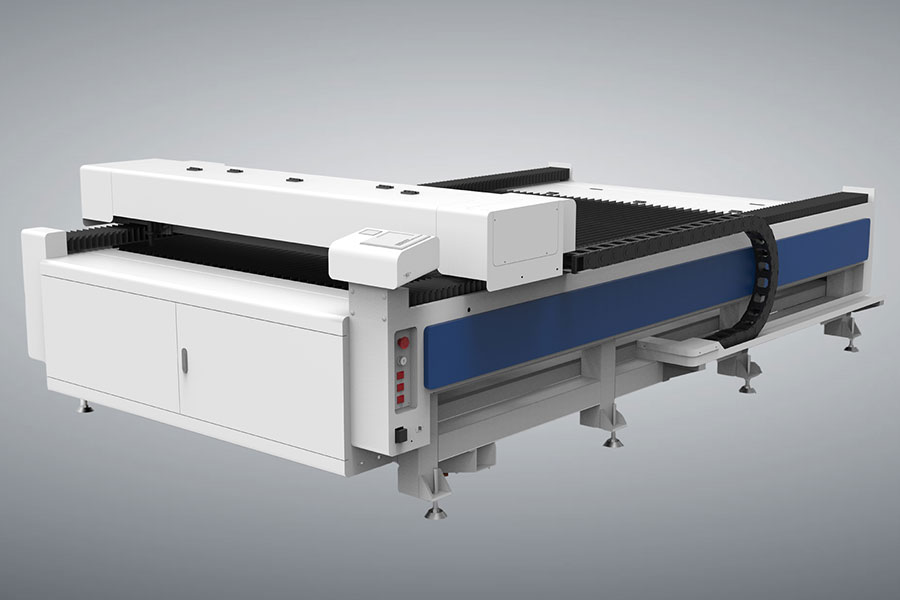
Wooden puzzles and toys reward patience with repeat orders, because a grandmother who buys one for a birthday comes back for the whole family. Nail the material, the tolerance, and the finish, and your files become a small library of reliable income. To see machines sized for batch toy production, browse the Redsail laser cutter range and match a bed to your typical sheet size. For a second take on specs and workflow, the HFLaser laser cutters pages are a useful cross-check before you buy.

- National hotline: +86-531-86516855/56/57
- Enterprise mailbox:sales@redsaillaser.com
- Address: Room 402E, Tower D, Yinhe Building, 2008 Xinluo Avenue, Shunhua Road Subdistrict, Jinan Area, China (Shandong) Pilot Free Trade Zone


Redsail Tech Co. © 2002-2026. All Rights Reserved.