
Intro
A desktop CO2 laser is one of the few workshop tools that can pay for itself from a spare room, because the same machine makes gifts, signage, pet tags, and packaging with almost no extra gear. Plenty of full-time shops started as a weekend laser side hustle.
This guide maps the practical path from unboxing to first paid order: picking a niche, buying only the gear you need, pricing so you actually profit, and building a repeatable order-to-ship workflow. Numbers are realistic starting points, not promises.
Picking a Niche
Do not try to make everything. A focused home laser business wins faster because buyers trust a specialist and your setup stays simple. Pick one or two lanes you can supply consistently and photograph well.
Strong starter niches:
- Pet tags and collars, which are small, fast, and endlessly personalizable.
- Wedding and event favors, where couples happily pay for names and dates.
- Corporate and small-business signage, from desk nameplates to branded coasters.
- Maker gifts for holidays, where a themed batch sells itself at markets.
Choose a niche with repeat demand, not a one-off trend, so you are not reinventing your catalog every month. A narrow lane also means fewer materials to learn and fewer finish failures.
Look at what you already enjoy making, because a niche you like sustains you through the slow weeks. If you love pets, pet tags are obvious; if you are organized, signage and labels fit. Passion shows in the photos and replies, and buyers can tell the difference from a generic shop.
What Gear You Need
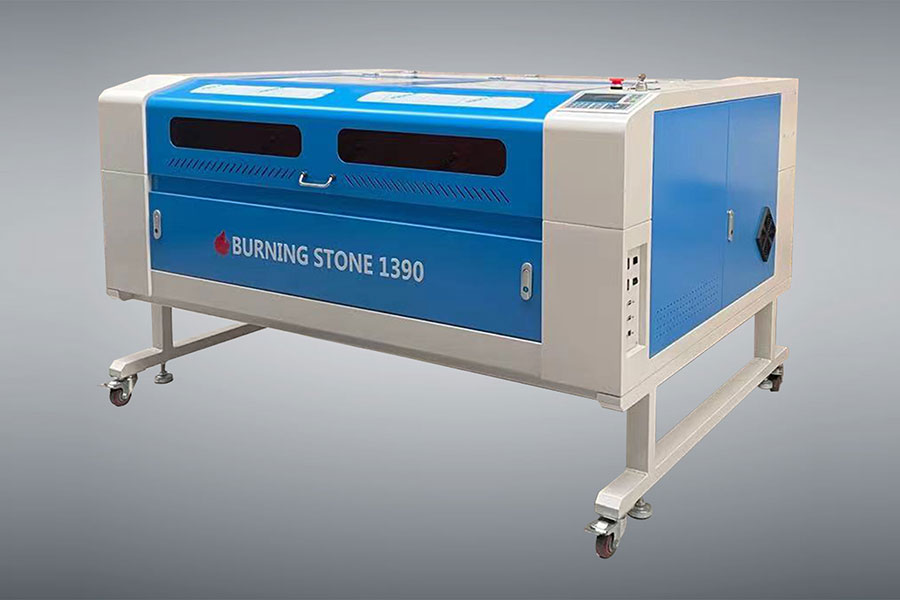
The core is a desktop CO2 laser with a work area big enough for your products, commonly 300x500 mm or 400x600 mm for a home shop. Match tube power to your materials: 40 to 60 W covers wood, leather, and acrylic hobbies; 80 to 100 W speeds up production.
You also need the unglamorous essentials that new owners forget:
- A laptop and the laser software (LightBurn is the standard for layout and settings).
- Exhaust fan and ducting or a filter, because fumes are constant and not optional.
- A fire-safe workspace, eye protection, and a small fire extinguisher nearby.
- Basic stock: plywood, acrylic, leather offcuts, and a few hardware packs.
Skip the fancy rotary and rotary add-ons until a customer actually asks for tumblers. Buy the attachment when the orders justify it, not before, and your start laser shop budget stays lean.
Budget a small monthly consumables fund from day one for lenses, mirrors, and tape, because those wear out and a cloudy optic silently ruins jobs. Treating maintenance as a fixed cost, not a surprise, keeps quality steady as orders grow.
Pricing Your Work
Price from a real cost floor, not a guess. Add material, a fair machine-hour rate (say 15 to 30 dollars depending on your market), finishing time, packaging, marketplace fees, and shipping, then add margin on top. Selling below cost just funds someone else's gift.
A simple formula: material plus (minutes divided by 60 times your hourly rate) plus fees, times 2 to 3 for retail. Personalization justifies a premium, so charge more for custom names, photos, and rush turnaround than for plain stock items.
Track your real time for the first ten orders, including packing and messages, not just beam time. Most new sellers forget the unpaid hours and price too low; once you see the true minutes per order, your rate lands where the business actually pays you.
Watch the "免费 sample" trap. One free proof per custom order is fine; endless revisions for tire-kickers eat the profit. Set a clear revision limit in your listing so expectations are set before you cut.
Where to Sell
Etsy is the obvious front door for a laser engraving business because buyers already search for personalized goods there. Build clean listings with real photos, fast dispatch times, and a clear personalization box so orders arrive ready to make.
Local channels matter more than they seem: craft markets, Facebook groups, school fundraisers, and gift shops on consignment. These need no ad spend and often become your steadiest, highest-margin sales once neighbors know your name.
Consider a simple own site later for repeat customers and custom quote forms, but do not overbuild it on day one. A single good Etsy shop plus local markets is enough to validate demand before you invest in a storefront.
Ask every happy buyer for a review and a photo of the item in use. User photos are free marketing and they reassure the next shopper far more than studio shots. A small "review please" card in the package quietly grows your social proof without feeling pushy.
Order-to-Ship Workflow
A repeatable workflow is what separates a hobby from a business. Lock a sequence so each order moves the same way and nothing gets lost:
- Confirm the personalization details and any artwork in writing before cutting.
- Run a quick scrap test of the setting if the material is new or the batch is large.
- Cut and engrave, then finish (sand, oil, or seal) while wearing protection.
- Quality check, photo the item, pack with a thank-you card, and ship same or next day.
Track orders in a simple spreadsheet with status, deadline, and tracking number. When volume grows, that habit is the difference between a smooth shop and a pile of "where is my order" messages.
Startup Mistakes to Avoid
The classic mistake is buying the biggest machine and every add-on before the first sale, then panicking about the cost. Start small, prove demand, and let revenue justify each upgrade. A DIY laser income grows from sold orders, not from gear.
Second is ignoring ventilation and safety to save money. Fumes and fire risk are real in a home shop; a proper exhaust and a clear no-left-unattended rule protect both you and your business license. Skimping here is the fastest way to shut down.
Third is underpricing to get sales, which leaves you exhausted and broke. Charge for your time and skill from order one; the right customers pay, and the wrong ones were never profitable anyway. Confidence in your price builds a sustainable shop.
Fourth is neglecting records. Keep a simple log of material costs, time, and what each order earned, because you cannot improve what you do not measure. A monthly glance at the numbers shows which niche actually pays and which just keeps you busy.
Frequently Asked Questions
How much does it cost to start a home laser business?
A capable desktop CO2 setup with exhaust and basic stock often lands in the low thousands after currency and shipping, not tens of thousands. Start with one machine and one niche, then reinvest profits as orders arrive.
Do I need a business license to sell from home?
Usually yes for regular sales, and rules vary by city, so check local zoning and tax registration before you advertise. Sorting this early avoids fines that can sink a new side hustle.
What sells fastest for beginners?
Pet tags, wedding favors, and simple home signs move quickly because they are small, personal, and photo-friendly. They also use cheap materials and short run times, which keeps your risk low while you learn.
Can I run a laser in an apartment?
It is risky: fumes, noise, and fire safety are hard to manage in shared living space. A garage, shed, or dedicated room with proper exhaust is far safer and more realistic for a real laser engraving business.
How long until I get my first order?
Often within the first week or two if your listings have clear photos and fair dispatch times, but treat the first month as learning, not profit. List a few niches, watch which gets clicks, then double down on the winner instead of spreading thin.
Turn your laser side hustle idea into a real shop by starting with one niche and a reliable desktop cutter; you can compare machines on the Redsail Laser cutter page, and for a wider brand review this CO2 laser cutter guide at https://www.hflaser.com/laser-cutter.html is a helpful read.

- National hotline: +86-531-86516855/56/57
- Enterprise mailbox:sales@redsaillaser.com
- Address: Room 402E, Tower D, Yinhe Building, 2008 Xinluo Avenue, Shunhua Road Subdistrict, Jinan Area, China (Shandong) Pilot Free Trade Zone


Redsail Tech Co. © 2002-2026. All Rights Reserved.