
Invitations Worth Keeping
A laser-cut wedding invitation is the rare paper piece guests do not throw away. The lace edge, the monogram, the layered card — none of it is possible by hand at volume. For a maker, wedding stationery is a high-value niche where personalization justifies a real price and repeat referrals follow one happy couple to the next.
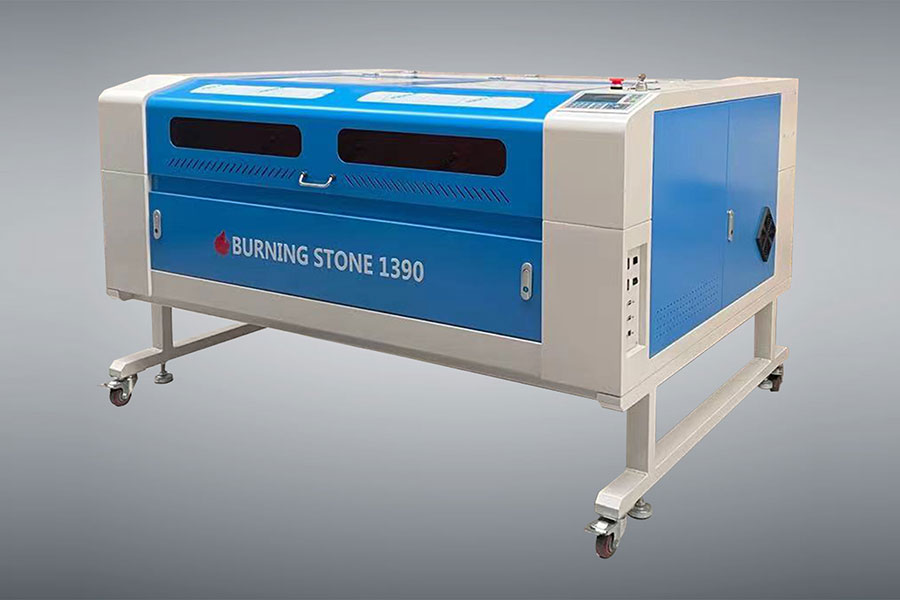
The work splits into three product types: cut invitations, engraved details, and assembled suites. Each suits a desktop CO2 laser with the right material and a steady hand on setup. Master one and the others follow, and a single couple can become a steady stream of place cards, signage, and anniversary gifts for years.
Materials for Paper and Wood
Cardstock from 200 to 350 gsm cuts cleanly for invite bodies and belly bands; heavier stock chars more, so test first and keep a scrap of every weight you stock. Vellum layers add a soft, luxe overlay that photographs beautifully, but cut it slowly because it is heat-sensitive and can curl away from the bed mid-job.
For engraved pieces, 3 mm birch ply or a coated MDF makes place cards and table numbers that double as favors guests keep. Acrylic in clear or frosted reads as glass signage — welcome boards, seating charts, and cake toppers. Keep acrylic thin, around 2–3 mm, so it cuts without stress marks and stays light enough to stand or hang.
Match the material to the moment. A cream cotton card with a lace border feels timeless; a clear acrylic monogram feels modern. Offering both lets a couple pick the feel that matches their venue, and showing real samples in each material closes the sale faster than any screen mockup ever will.
Designing the Cut
Lace and filigree look stunning but demand a sharp focused beam and clean air. Draw the pattern as a vector with rounded nodes so the head does not jerk at corners, and keep the minimum feature size above about 1 mm so delicate bridges survive the cut. Too-thin lace snaps when you weed it and frustrates you on a deadline.
Leave the inner cut connected to the sheet by tiny bridges, then pop the pieces out by hand — this prevents the fine lace from shifting mid-cut. For monograms, engrave the couple's initials into a wooden or acrylic panel rather than cutting them; an etched mark is more robust for a keepsake and costs less time than a full through-cut that risks breaking.
Design for assembly from the start. If a suite layers a vellum overlay on a cut card, build the files so the cut window and the printed art register perfectly. A 2–3 mm overlap margin hides small misalignment, and a printed alignment mark on the scrap edge lets you confirm registration before committing the good sheet.
The Production Workflow
Engrave any detail first while the sheet is fully supported, then cut the outer shape and lace on a separate, slightly higher-power layer. Weeding the offcuts gently matters; fine paper tears if you rush, so use a soft pick and pull away from the keeper, not across it. Assemble layers with spray adhesive or double-sided tape on a flat surface.
Wipe acrylic with the mask still on, then peel for a clean face that shows no fingerprints. For paper, stack cut sheets face-down and press gently so the lace lies flat without creasing the surrounds. A clean cutting mat and a fresh blade in your weeding tool make the difference between a ten-minute job and a frustrating one.
Batch by couple, not by piece. Cutting all of one invite at once keeps settings consistent across a set of sixty, which matters when a mismatch would show the moment the envelopes are stacked. Keep each couple's job in its own tray with a printed spec sheet so nothing mixes, and you can pause a run and resume days later without losing the thread.
Pricing the Suite
Wedding clients pay for cohesion and originality, not speed. Price the suite as a package — invite, RSVP, place card, and signage — with a setup fee that covers your design time. Offer a proof on the real stock before the full run; paper behaves differently than screen, and a proof prevents an expensive miscut on the big order.
Keep a sample book of materials and finishes to show at consultations. Couples choose faster when they can touch the vellum and the birch, and a physical book quietly justifies your price because they see the craft. Include one fully finished suite as the hero piece so they imagine their own names in that slot.
Build in a small revision and rush buffer. A date change or an extra thirty guests is normal in wedding planning, and a clear policy — one revision included, rush fees stated up front — keeps the relationship smooth. Happy couples refer vendors they trusted, and referrals are the cheapest marketing a maker can get in this niche.
Proofing and Scaling the Work
Always cut one complete proof on the exact stock before the full run, then photograph it in the kind of light the couple will see it in. Scan the lace edge for any snapped bridges and check that engraved text reads at a normal reading distance. A proof turns a risky big order into a confident, repeatable batch.
As demand grows, standardize your most-requested layouts into templates with editable name and date fields. Templatizing the top six designs means a new order is a data entry job, not a redesign, and your evenings stay free. Track which suites sold and which sat so your template library stays lean and your cutting time stays billable.
Packaging, Shipping, and Follow-Up
Presentation continues after the cut. Ship flat invites in a rigid mailer with a tissue layer so the lace does not curl or crease in transit, and sleeve acrylic signs in a static-free bag so they arrive scratch-free. A handwritten thank-you card with your maker mark turns a one-time buyer into a referrer who names you to the next engaged friend.
For local pickup, a clear-topped kraft box lets the couple see the suite without opening it, which photographs well for their own posts and tags you in the shot. Include care notes — keep paper dry, dust acrylic with a soft cloth — and your work looks considered long after the wedding, which is exactly when anniversary reorders and baby-shower invites start to appear.
Build a simple follow-up habit. A note six months after the wedding asking for a photo of the suite in use gives you marketing images and a gentle nudge toward future orders. Couples remember the vendor who made their stationery feel special, and that memory is what fills your book in the quiet seasons when markets are slow.
FAQ
Will laser-cut paper look burnt?
Only if power is too high or air weak. Tune per stock; a slight edge tint is normal and often welcome on kraft. Test a corner and keep air assist clean so the lace edge stays crisp rather than browned.
Can I do foil with the laser?
You can engrave through a foil layer or bond foil with a dedicated process, but simple foil stamping needs a press. Etch-and-inlay is the laser-friendly route and looks crafted rather than printed.
How many can I make in a weekend?
A desktop laser handles dozens of place cards and a few dozen invite bodies easily; a full suite of a hundred is a multi-session job. Batch by couple and proof first to keep the weekend sane.
Get Started
Start with place cards and a monogram sign, then grow to full suites as you learn each stock. For high-volume cutting of the same suite, explore industrial flatbed CO2 lasers at HF Laser.

- National hotline: +86-531-86516855/56/57
- Enterprise mailbox:sales@redsaillaser.com
- Address: Room 402E, Tower D, Yinhe Building, 2008 Xinluo Avenue, Shunhua Road Subdistrict, Jinan Area, China (Shandong) Pilot Free Trade Zone


Redsail Tech Co. © 2002-2026. All Rights Reserved.