
Why a Laser Is a Near-Perfect Side Hustle
A laser side hustle sits in a sweet spot: the startup cost is modest, the products are physical and giftable, and the same file can be sold hundreds of times. Unlike handmade crafts that scale only with your own two hands, a laser turns one good design into a repeatable product line. That is why so many makers quietly build a tidy second income from a single desktop machine on a spare table.
This guide covers the practical launch path: starter gear, niches worth pursuing, a pricing formula that protects your margin, an Etsy workflow that does not eat your evenings, and how to avoid the burnout that kills most hobby businesses.
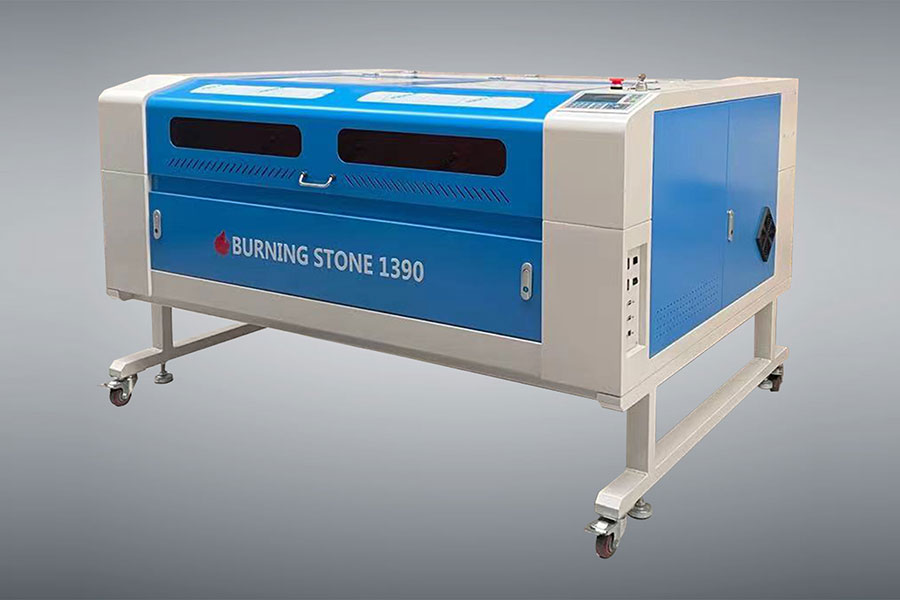
Starter Gear That Pays for Itself
You do not need an industrial machine to begin. A 40 to 60 W desktop CO2 engraver handles the vast majority of popular products: wood signs, leather goods, acrylic charms, and anodized tags. Pair it with a laptop, a roll of masking tape, and a small air-assist setup, and you have a working studio for well under the cost of a used car.
- A desktop CO2 laser with a roughly 300x500 mm bed covers signs, plaques, and most gifts.
- An extraction fan or filter keeps your workspace safe and your photos clean.
- Calipers and a test-material scrap bin save hours of trial and error.
- Basic finishing supplies, such as sandpaper, oils, and cello bags, turn raw cuts into products.
Buy once, buy decent. A reliable entry machine beats a bargain that breaks mid-order, because lost customer trust costs more than the savings ever earned.
Picking a Niche Instead of Everything
The biggest trap for a new home business is trying to sell everything. Laser owners who thrive pick one or two lanes and go deep. A focused shop reads as expert, ranks better in search, and lets you reuse files instead of designing from scratch every time.
Strong starter niches include:
- Pet tags and memorial items, a steady, emotional, repeat-purchase category.
- Tumblers and drinkware, popular for weddings, teams, and small businesses.
- Home and nursery signs, from family names to funny kitchen quotes.
- Personalized gifts for teachers, bridesmaids, and new parents around the holidays.
Seasonality matters. Plan holiday lines, such as ornaments and Valentines, a month or two ahead so you are shipping when demand peaks rather than still testing settings.
A Pricing Formula That Protects Margin
Underpricing is the silent killer of a engraving business. A formula keeps emotion out of it: material plus machine time plus labor plus overhead, then a markup. If a sign uses a few dollars of wood, runs ten minutes on the laser, and your time is worth a modest hourly rate, the true cost is higher than most beginners charge.
Add platform fees for Etsy, shipping supplies, and a slice for replacing the tube and lens over time. A common healthy target is to triple your raw cost for handmade goods, then adjust by what the market bears. Custom work justifies a premium because the buyer is paying for your design effort, not just the object. Review prices quarterly; as you get faster, your effective margin rises and you can either lower prices to win volume or keep the extra profit.
Building an Etsy Workflow That Scales
An Etsy laser shop lives or dies by repeatable process. The goal is to turn a custom request into a shipped parcel without reinventing the wheel each time.
- Keep a library of templated designs you can drop a name or date into in seconds.
- Photograph finished products in natural light with a simple backdrop; good photos outsell great products with bad ones.
- Use saved replies for common questions like shipping time and customization limits.
- Batch production: cut all the wood signs in one session, engrave in the next, finish and pack in the third.
Batch processing is the difference between a side hustle and a second job. When every order triggers a unique, fiddly workflow, you burn out; when orders flow through a system, you stay calm and profitable.
Photos and Listings That Convert
On a visual marketplace, your listing photo does the selling before the description is read. Shoot on a clean background, include a scale reference like a hand or coin, and show the item in use when possible, such as a sign on a wall or a tag on a pet collar. Multiple angles reduce returns because buyers know exactly what they get.
Write titles and tags around what people actually search, not clever brand names. Phrases like personalized wood sign and custom pet tag pull real buyers. Mention lead time honestly; overpromising shipping dates is the fastest way to a bad review that sinks a new shop.
Avoiding Burnout and Scaling Up
The romantic part of a laser side hustle is the making; the draining part is the relentless custom requests at 11 pm. Protect yourself with boundaries: set order cut-off days, cap custom revisions, and schedule production in blocks rather than constantly. A waiting list is a feature, not a failure, because it signals demand.
When orders outgrow your evenings, scale by raising prices, narrowing niches, or adding a second machine rather than working longer hours. Outsource the dull parts, such as packing or photography, before they consume you. The makers who last treat the business like a business from day one, with set hours, tracked costs, and a plan for growth.
Customer Service That Builds Repeat Buyers
The second sale is where a laser side hustle actually becomes a business, and it comes from service as much as product. Reply to messages within a day, set realistic ship dates, and photograph each custom piece before shipping so disputes are easy to resolve. A small handwritten note or branded card turns a transaction into a relationship that lasts beyond one order.
Handle mistakes generously. A replaced sign shipped fast costs less than a public bad review, and most buyers remember the recovery more than the original error. Keep a simple tracker of repeat customers and offer them early access to seasonal lines; the people who bought ornaments last December are your warmest market every November, so treat them that way.
Taxes and Bookkeeping Basics
Treating the shop like a real home business from day one saves pain at tax time. Open a separate account for shop income and expenses, and save every receipt for materials, machine parts, and shipping. Track the cost of the laser and its consumables as business equipment so you can claim appropriate deductions where your local rules allow.
You do not need fancy software; a simple spreadsheet with columns for date, item, revenue, and cost is enough at the start. The habit of recording every sale and expense weekly beats a frantic scramble at year-end, and clean books also help if you ever seek a loan to expand. Revisit your pricing quarterly against these real numbers so your markup reflects true costs, not guesses.
Marketing Beyond the Marketplace
Etsy is a strong starting point, but owning your audience protects you from algorithm changes and fee hikes. A simple social account showcasing finished pieces and behind-the-scenes cuts builds followers who buy directly and refer friends. Short videos of the laser in action perform especially well because the process itself is mesmerizing and builds trust in the product you ship.
Local channels matter too: craft fairs, markets, and consignment in gift shops put physical product in hands. Collect email sign-ups at events for a seasonal launch list. Diversifying where orders come from is the most reliable hedge against any single platform slowing down or changing its rules unexpectedly.
Frequently Asked Questions
Q: How much does it cost to start a laser side hustle? A: A capable 40 to 60 W desktop CO2 laser plus basic supplies can launch a home studio for a modest upfront cost, often recouped after a handful of paid orders.
Q: What sells best for beginners? A: Personalized pet tags, home signs, tumblers, and holiday gifts are steady starters because they reuse templated files and need little custom design.
Q: How do I avoid burning out? A: Batch production, set order cut-off days, cap revisions, and raise prices as demand grows instead of working longer hours.
Start Your Home Laser Business
Pick one niche this week, build three templated designs, and list your first product before perfectionism sets in. A desktop laser engraver is all most home shops need to turn a spare table into a real income stream.
If you later need a bigger industrial flatbed, HF Laser keeps a detailed catalog of CO2 laser cutters and auto-feeding machines worth comparing.

- National hotline: +86-531-86516855/56/57
- Enterprise mailbox:sales@redsaillaser.com
- Address: Room 402E, Tower D, Yinhe Building, 2008 Xinluo Avenue, Shunhua Road Subdistrict, Jinan Area, China (Shandong) Pilot Free Trade Zone


Redsail Tech Co. © 2002-2026. All Rights Reserved.