
Why Wooden Puzzles Are a Great Laser Project
A wooden puzzle laser build is one of those projects that feels old-fashioned and high-tech at the same time. The laser gives you tolerances a scroll saw never could, so pieces interlock with a satisfying click, and you can personalize the art for birthdays, classrooms, or shop shelves. Best of all, once the file is dialed in, you can cut the same puzzle dozens of times with identical results.
This guide covers choosing safe wood, designing joints that actually fit, finishing without toxins, and a few tips for selling toys that parents trust. Safety is the through-line, because anything a child might chew deserves extra care.
Choosing Safe Wood
The wood you pick matters more than the design, because a toy ends up in small hands and sometimes small mouths. Baltic birch plywood is the maker favorite: it is stable, cuts cleanly, and has a smooth, even face that takes engraving well. Avoid unknown imported ply with visible voids or strong chemical smells, since the glues may not be child-safe.
- Baltic birch plywood in 3 to 6 mm thickness is the safest, most reliable choice for puzzles and toy bodies.
- Maple and poplar solid wood cut nicely for thicker toy parts, though they cost more per sheet.
- Skip treated, stained, or pre-finished lumber unless you know the exact coating; many finishes are not meant for toys.
- Avoid MDF for anything child-facing; the dust and binders are not appropriate for toys even after sealing.
Whatever you choose, buy from a supplier that states the material grade, and keep a scrap on hand to test cuts and finishes before you commit a full sheet.
Designing Finger Joints and Slots
A good wood puzzle holds together through friction and clever geometry rather than glue. The two workhorse joinery methods for laser toys are finger joints and tab-and-slot assembly, and both live or die by a properly set kerf value.
Kerf is the width of material the beam removes. On a 40 to 60 W tube cutting 3 mm ply, kerf is often around 0.1 to 0.2 mm. If you design slots at exactly the material thickness, pieces will be too tight; compensate by making slots a hair wider than the stock, or by using a design tool that auto-adds kerf. Cut a calibration square and measure the actual gap with calipers, then bake that number into your next file.
Finger joints work well for box-like toys such as little cars, houses, and stacking blocks. Tab-and-slot works for flat stand-up figures and interlocking puzzle frames. For puzzle pieces themselves, design the knobs and holes so a child can grip and place them, and keep the smallest piece larger than a choke-risk size for under-three toys.
Tab-and-Slot Assembly Tips
Tab-and-slot is the friendliest method for beginners because it needs no glue and lets a toy lie flat for storage. The trick is the fit: too loose and the toy wobbles, too tight and you crack the wood forcing it together. Aim for a press fit you can assemble by hand with light thumb pressure.
- Round the corners of tabs so they seat smoothly into the slot without catching fibers.
- Engrave a faint guide line or number on mating parts so assembly is obvious.
- Test the fit on a scrap cut before running the whole sheet; adjusting kerf on one piece is cheaper than redoing a dozen.
- For moving parts like wheels, leave a small clearance so they spin rather than bind.
When a design includes both standing figures and a base, cut the base first and test the slot depth against a spare tab so the figure stands without tipping.
Sanding and Child-Safe Finishing
Laser-cut edges come off the bed with a faint burr and a light scorch line. A quick pass with 220 to 320 grit sandpaper smooths the edges so they are safe for little hands, and it also removes the dark cut mark if you prefer a cleaner look. Sand with the grain and wipe away dust before finishing.
This is where toy safety becomes real. Use only finishes rated food-safe or toy-safe:
- Beeswax and coconut oil blends give a soft sheen and are safe if mouthed.
- Natural whey or milk paints sealed with wax suit colorful toy faces.
- Avoid polyurethane, lacquer, and most varnishes on items for very young children; they can chip and are not meant to be chewed.
- For puzzles meant as decor rather than play, a standard clear coat is fine, but label it not for children.
A labeled care card telling parents to wipe clean and re-oil occasionally builds trust and repeat sales.
Design Ideas That Sell
Personalization is the engine behind most successful laser cut toy shops. A name puzzle where each letter is a chunky piece teaches spelling and doubles as nursery decor. Animal and vehicle silhouettes, solar-system sets, and county-map puzzles all travel well as gifts.
Keep fine engraved text above about 4 mm so it stays legible after sanding, and group pieces on the sheet to minimize wasted wood. For a premium line, mix species, say a maple base with birch pieces, to add contrast. Limited holiday editions, such as snowflake or heart puzzles, give buyers a reason to return each season.
Sourcing and Cost Control
Material cost stays low if you buy plywood by the full sheet and cut your own blanks rather than ordering pre-cut shapes at a markup. A single 12x24 inch sheet of 3 mm Baltic birch yields a surprising number of puzzle pieces, so track how many finished toys each sheet produces and price accordingly. Offcuts are not waste; small animals, magnets, and test cuts all find a use around the shop.
Build a relationship with one reliable supplier so batch color and thickness stay consistent, because variation forces you to re-test settings and risks mismatched joints. When a sheet price jumps, a small, well-communicated price increase protects your margin better than quietly shrinking quality or switching to a lesser grade your customers can feel.
Quality Control and Packaging
A toy earns trust at the unboxing, so quality control is not optional. After sanding, run a finger along every edge to catch any burr a child might feel, and check that joints seat without forcing. Wipe pieces with a damp cloth to remove dust before finishing, then let oil or wax cure fully so it does not transfer to hands.
Packaging should signal safety as much as looks. A simple kraft box or a clear bag with a card stating the wood type and finish reassures parents and justifies a higher price. For puzzles aimed at toddlers, note the recommended age and any small-piece warning right on the label; that honesty protects both you and the buyer. Keeping a consistent branded card across your line also makes a handmade shop look established rather than ad hoc.
Scaling Your Toy Line
Once a design sells, resist the urge to keep hand-making one at a time. Cut in sheets, not singles, and store finished blanks so you can personalize and finish in batches when orders arrive. Standardize your kerf and material so a file that worked last month still fits today, and version your design files so you can revisit a bestseller without re-engineering it from scratch.
As demand grows, the bottleneck shifts from cutting to finishing and shipping, which is a good problem to have. At that point, raising prices or narrowing to your top three sellers often beats buying a second machine, at least until the order volume clearly justifies the expense and the space it needs.
Frequently Asked Questions
Q: What wood is safest for laser-cut toys? A: Baltic birch plywood in 3 to 6 mm is the reliable, child-friendly choice; avoid MDF and unknown pre-finished lumber for anything a child might mouth.
Q: How tight should puzzle joints be? A: Aim for a hand press fit with light thumb pressure; compensate for kerf so pieces seat without cracking the wood.
Q: What finish is safe for baby toys? A: Use a beeswax or coconut-oil blend, or a toy-safe milk paint sealed with wax; skip polyurethane and lacquer on items for young children.
Start Cutting Safer Toys
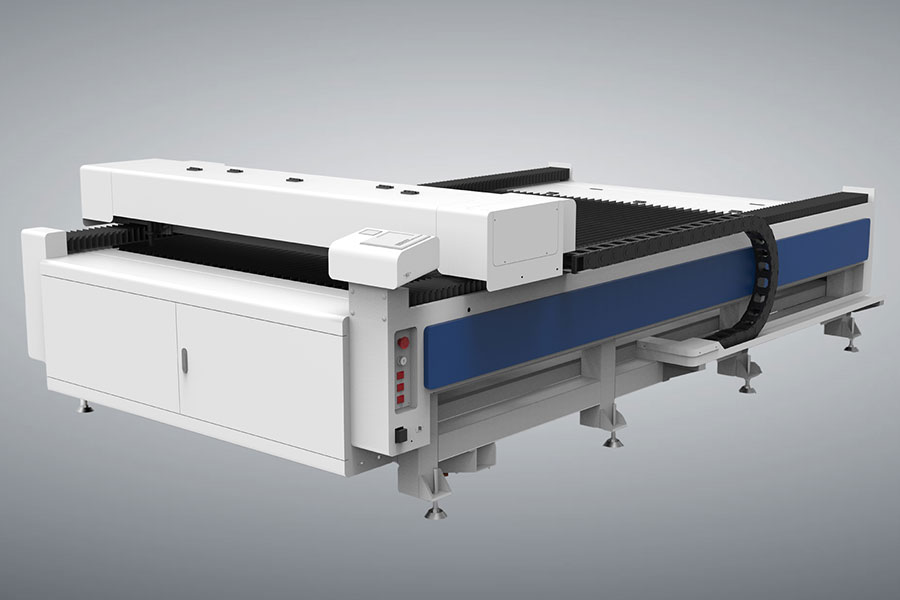
Pick a simple name-puzzle file, cut it in Baltic birch, and finish it with a beeswax blend to see how satisfying a safe wooden toy can be. A flatbed laser cutter gives you the bed size to scale up from single pieces to full sheets.
If you later need a bigger industrial flatbed, HF Laser keeps a detailed catalog of CO2 laser cutters and auto-feeding machines worth comparing.

- National hotline: +86-531-86516855/56/57
- Enterprise mailbox:sales@redsaillaser.com
- Address: Room 402E, Tower D, Yinhe Building, 2008 Xinluo Avenue, Shunhua Road Subdistrict, Jinan Area, China (Shandong) Pilot Free Trade Zone


Redsail Tech Co. © 2002-2026. All Rights Reserved.